The current photo specs for Talabat, Deliveroo, Careem and Noon Food — dimensions, ratios, crop-safe framing and the universal rules that get dish photos approved first time.
Updated September 2026. Every delivery platform in the UAE has its own photo rules — and images that ignore them get rejected, cropped badly, or quietly buried. Here are the current requirements for Talabat, Deliveroo, Careem and Noon Food in one place, plus the universal rules that keep any dish photo approval-safe. Specs do change, so always confirm against your merchant portal before a big upload.
Why the specs matter
Your photo is the storefront: on a delivery app, customers choose with their eyes in about a second per dish. Listings with complete, high-quality photos convert dramatically better — which is why the platforms enforce image rules in the first place. Getting the specs right means your images display sharp, crop cleanly in every view, and pass review the first time.
Deliveroo photo requirements
- Menu item images: minimum 1200 × 800 pixels, 3:2 landscape, JPEG.
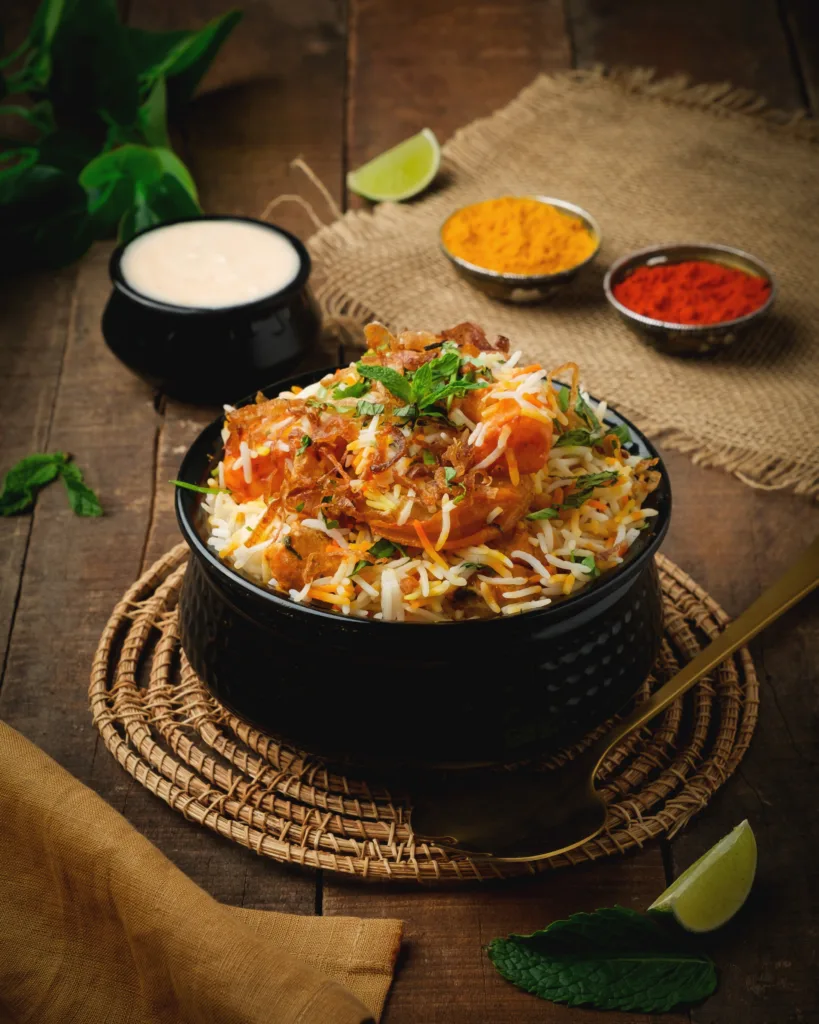
- Mind the square crop: Deliveroo crops item images to 1:1 in list views — keep the dish centred with roughly 15–20% breathing room on all sides so nothing gets cut off.
- Hero / storefront images: minimum 1920 × 1080 pixels (16:9).
- The whole dish must be recognisable and in frame — no extreme close-ups where the product can’t be identified, and no collages.
Careem Food photo requirements
- Item images: 1200 × 1200 pixel squares, JPG, minimum ~1 MB — Careem is the platform that wants true square masters.
- Hero images: minimum 1125 × 780 pixels, JPG, ~1 MB or larger.
- Shoot squares deliberately rather than cropping a landscape file — centred composition, generous margins.
Talabat photo requirements
- Talabat doesn’t publish exact pixel specs, but in practice: sharp, high-resolution JPEGs (at least ~1000px on the shortest side; 1920 × 1080 at 16:9 works well across the platform).
- Cover photos should not sit on plain white or grey backgrounds — Talabat favours real, styled environments.
- Consistency is rewarded: one lighting style and background language across the whole menu reads as a professional brand.
Noon Food photo requirements
- Noon Food follows the same pattern: high-resolution, sharp images of the actual item, uploaded through the merchant portal. Shoot to the strictest neighbouring spec — 1200 × 1200 squares plus a 16:9 hero — and your files will satisfy Noon as well.
The universal rules (every platform)
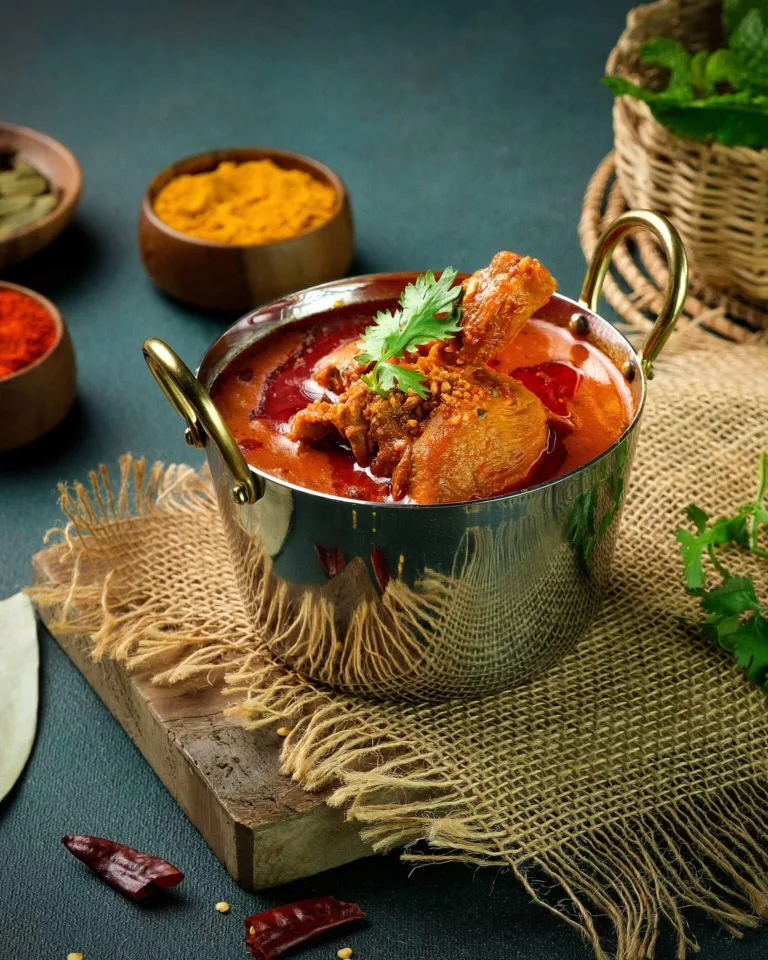
- Photograph the real dish, as served. Stock photos and images that overpromise get flagged — and refunded.
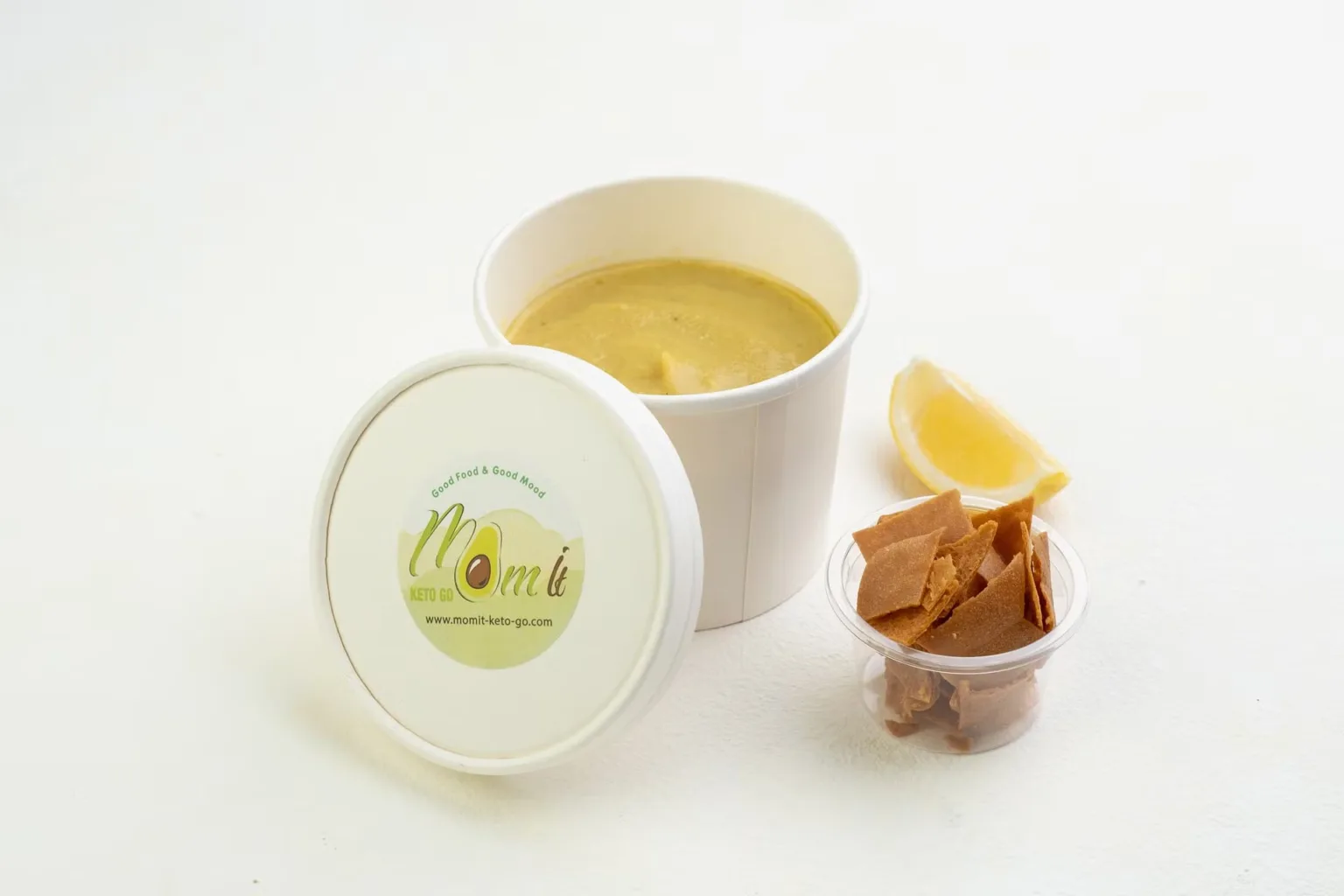
- No logos, watermarks, borders, phone numbers or promo text on the image. This is the most common rejection reason in the UAE.
- One dish per photo. No collages or multi-item grids (combo meals shown as actually served are the exception).
- Bright, natural-looking light and true colours. Over-filtered images hurt trust — and conversions.
- Compose for the crop. Centre the dish and leave margin: most platforms display squares even when they accept landscape uploads.
- JPEG, colour-accurate, optimised. Big enough to be sharp, small enough to load fast.
Pre-upload checklist
- Every live menu item has a photo (gaps cost orders)
- Files exported per platform: 3:2 for Deliveroo, 1200×1200 for Careem, 16:9 hero for each storefront
- Dish centred, 15–20% margin, survives a square crop
- No text, logos or watermarks anywhere on the image
- Same lighting and background style across the whole menu
Want it done for you? Our delivery app menu photography service shoots your whole menu in your own kitchen and delivers upload-ready exports for every platform — from AED 500, with food styling included. Budgets and per-dish rates are in the Dubai food photography price guide.