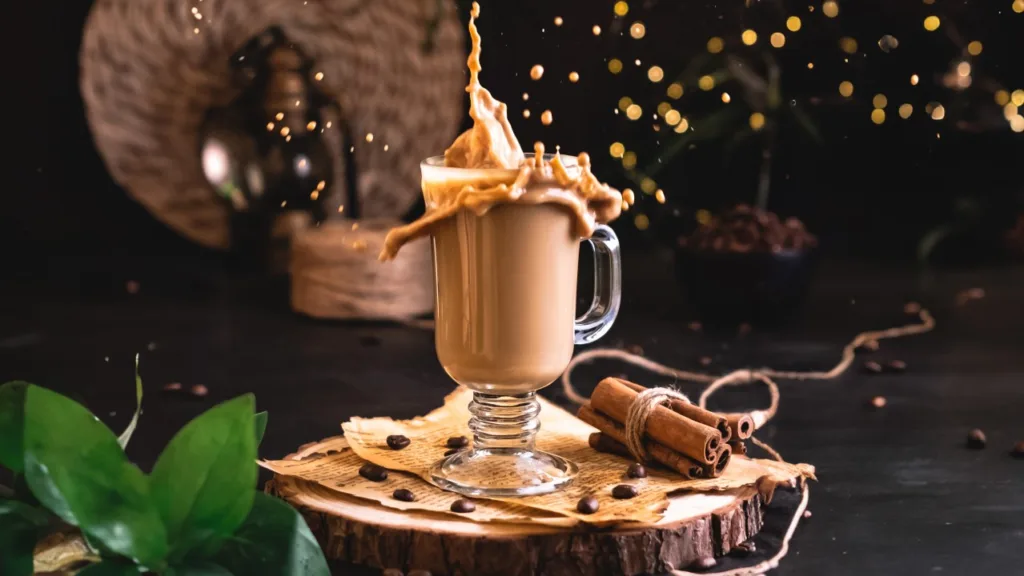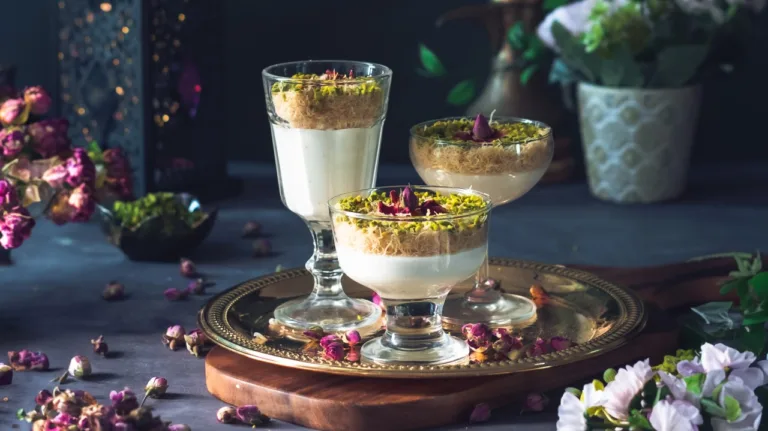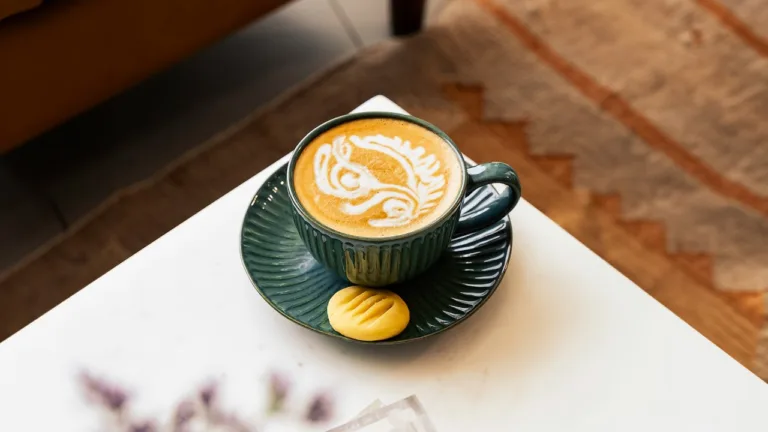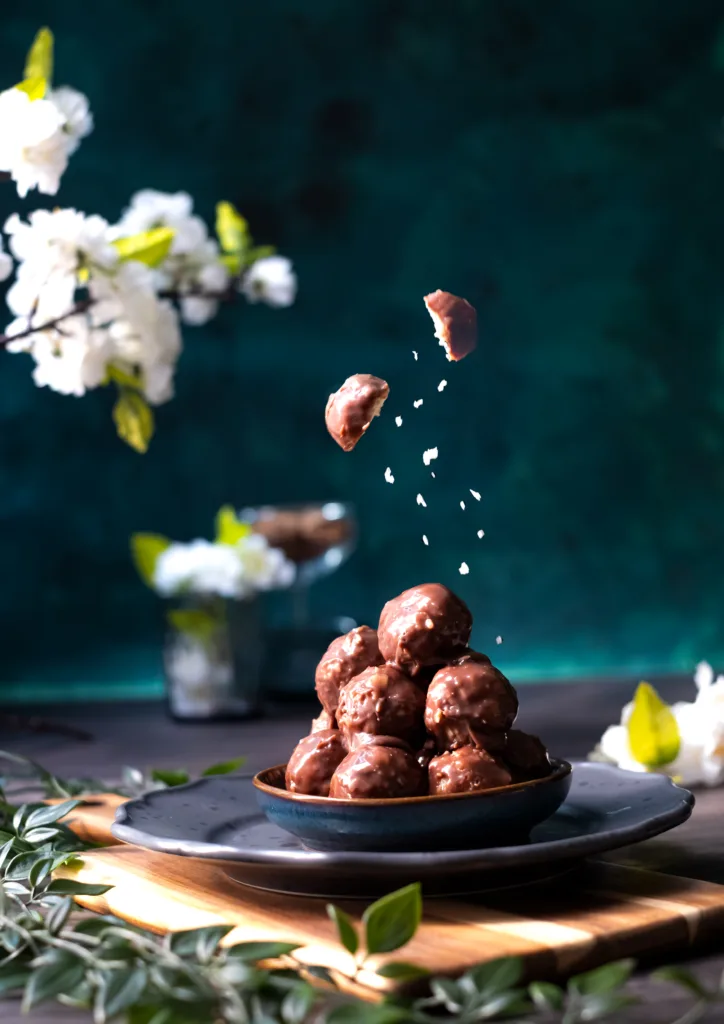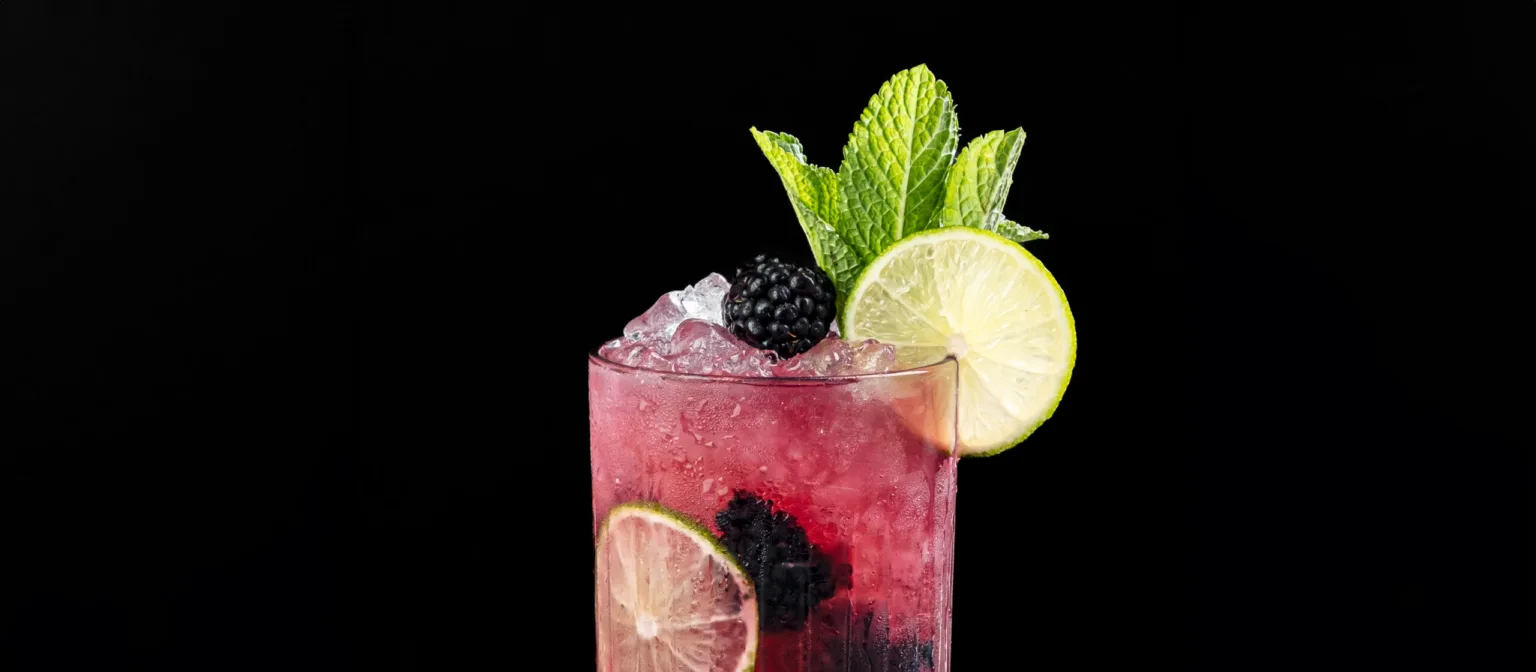
In the art of food photography, we don’t just capture images—we encapsulate experiences. A well-composed shot by a professional food photographer has the power to transcend the visual, engaging the viewer’s other senses in a symphony of taste, aroma, and texture. It’s a dance of light, shadow, and composition that whispers stories of flavor to the soul. In this piece, I explore how styled food photography evokes a multisensory experience, bringing the essence of taste to life through the lens.
Methods:
1. The Visual Taste:
At the heart of culinary photography lies the challenge of translating taste into a visual language. Our senses are deeply interconnected—the sight of a dish can spark an anticipation of its flavor. Through color harmony, plating, and smart composition, food photography in Dubai has become a visual language for taste itself. The goal is to make viewers feel they can almost taste the dish through their screens.
2. Texture and Detail:
Texture is where menu photography becomes tactile. Close-up shots highlighting the crispness of a golden crust or the softness of a chocolate ganache awaken the viewer’s imagination. By showcasing these details, a food stylist and photographer creates a tangible experience that invites touch, not just taste.
3. Color and Appetite:
Color drives cravings. In professional food photography, warm hues like saffron yellow or tomato red stimulate appetite, while cool greens and whites offer freshness and calm. Balancing these tones is part of the strategy in creating photos that not only look good but feel delicious. A thoughtfully styled color palette can enhance the emotional and sensory response to a dish.
4. Composition and Storytelling:
Behind every dish is a narrative. A well-composed frame captures more than food—it tells a story. Whether it’s the rustic simplicity of a farmhouse loaf or the elegance of a fine-dining dessert, food photography for restaurants should immerse the viewer in the dish’s context. Props, garnishes, and ambiance all contribute to the emotion behind the image.
5. Lighting: The Mood Setter:
Lighting shapes mood, and mood affects taste perception. In restaurant photography, natural lighting conveys freshness and comfort, while deeper shadows can signal richness, indulgence, or mystery. The right light doesn’t just illuminate—it seduces the senses. For every shoot, the light is chosen not just for visibility, but for emotion.
Conclusion:
Food photography is more than visual—it’s visceral. It engages memory, imagination, and appetite. Through texture, color, styling, and light, we create more than a photo—we build a bridge to the sensory world of taste. As a food photographer in Dubai, my mission is to go beyond the image and craft a visual experience that embodies flavor, story, and soul.