Setting the Scene: Choosing the Perfect Backdrops for Food Photography
Commercial June 20, 2025By Shameema Abdul Shukoor · Food Photographer & Food Stylist, DubaiUpdated
The right backdrop can transform your food photography from ordinary to exceptional. Explore how color, texture, and styling surfaces bring out the best in your culinary creations—and learn practical tips to set the perfect scene.
Table of Contents
In the world of food photography, the backdrop is more than a surface—it’s a storytelling tool. It sets the mood, defines the style, and highlights the textures and tones of your dish. A thoughtfully chosen food photography backdrop can elevate your visuals from simple to striking. In this guide, I share practical tips for selecting and using backdrops that help your culinary creations shine.
Understanding the Importance of Backdrops
A backdrop isn’t just what’s behind the food—it’s the visual stage. For any professional food photographer, it acts as the canvas that complements and enhances the subject. The right backdrop adds emotion, depth, and context to your styled composition, contributing to a more immersive viewer experience.
1. Color and Texture
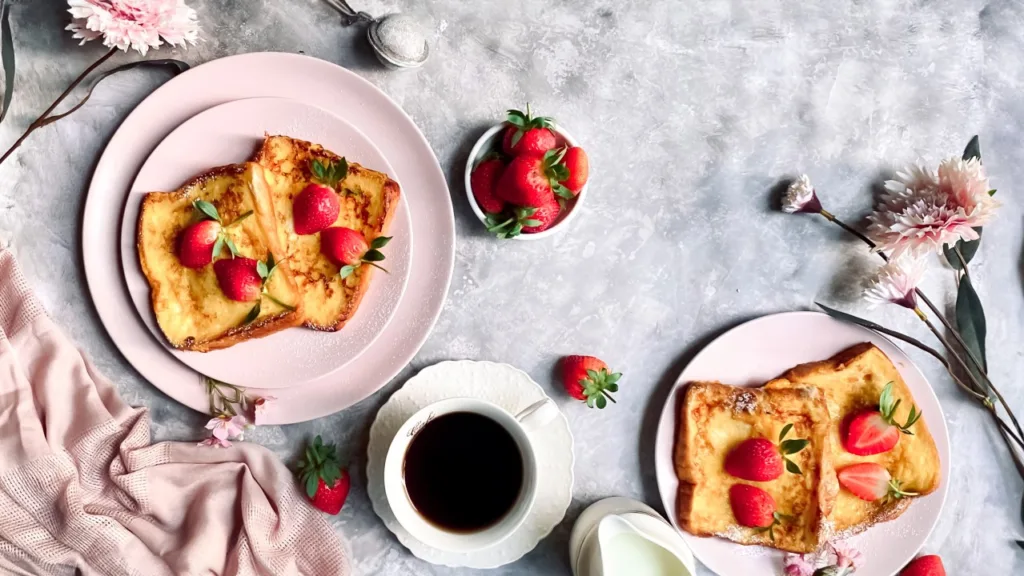
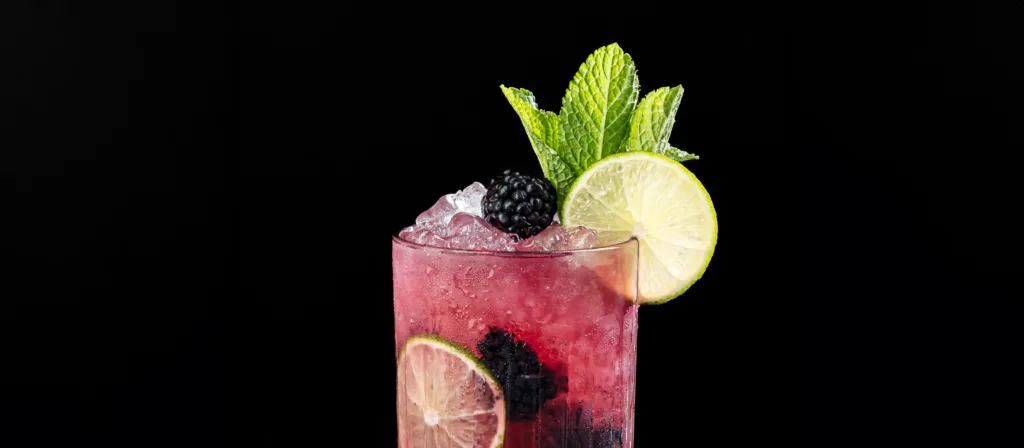
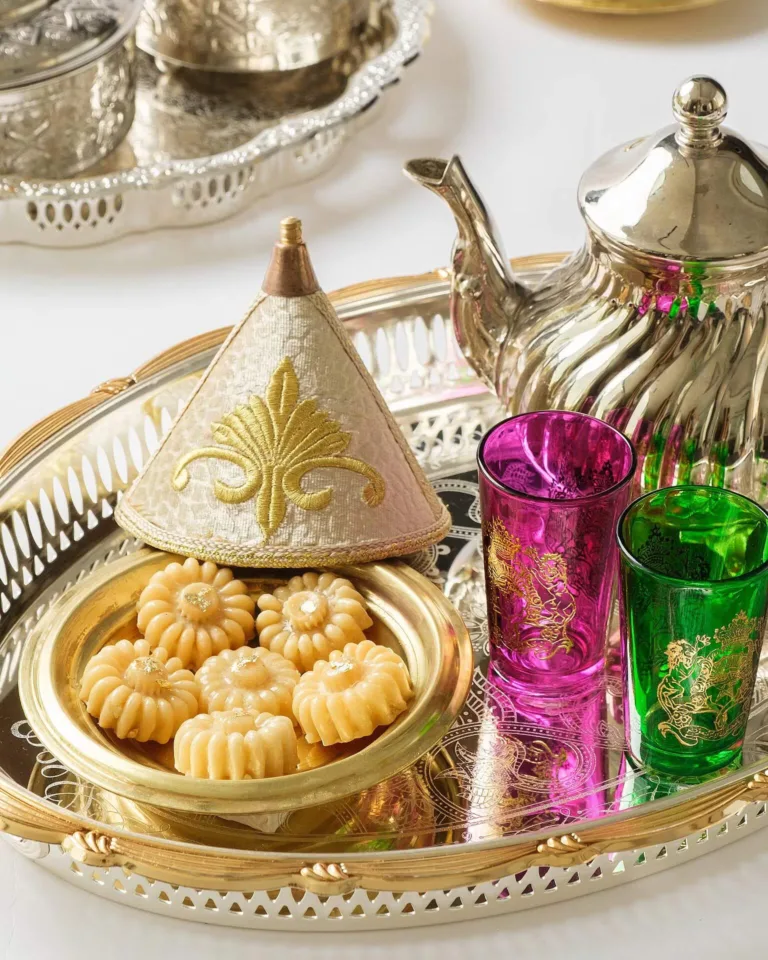
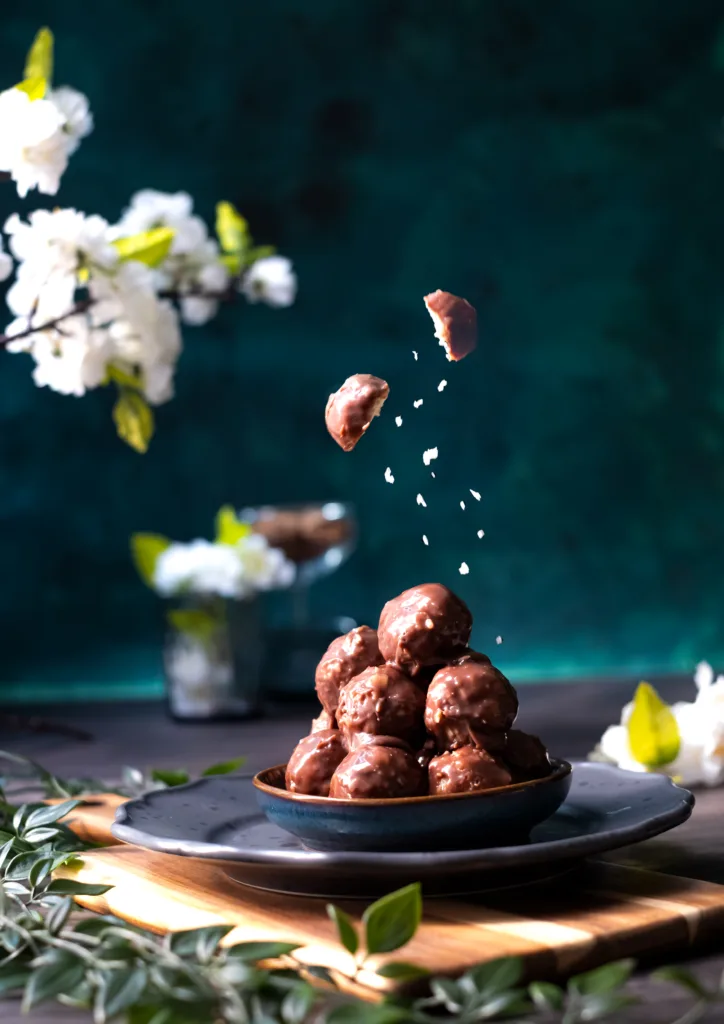
Complementary Colors: In styled food photography, color harmony matters. Warm dishes often pop against cooler tones like slate or muted blue. Fresh salads or citrus-based plates come alive on darker, earth-toned surfaces.
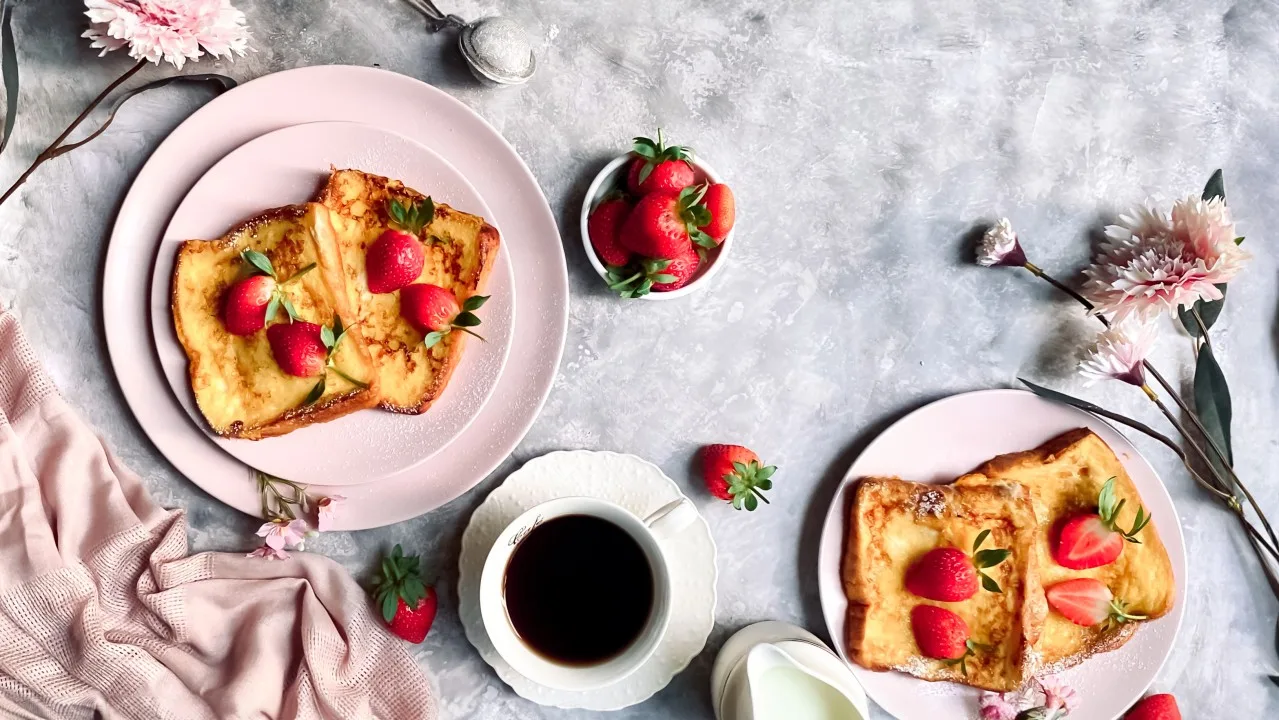
Textured Surfaces: Texture can tell a story—rustic wood suggests comfort and tradition, while polished marble or concrete lends a clean, modern edge. Think about the food styling mood you want to convey when selecting your surface.
2. Keeping It Simple
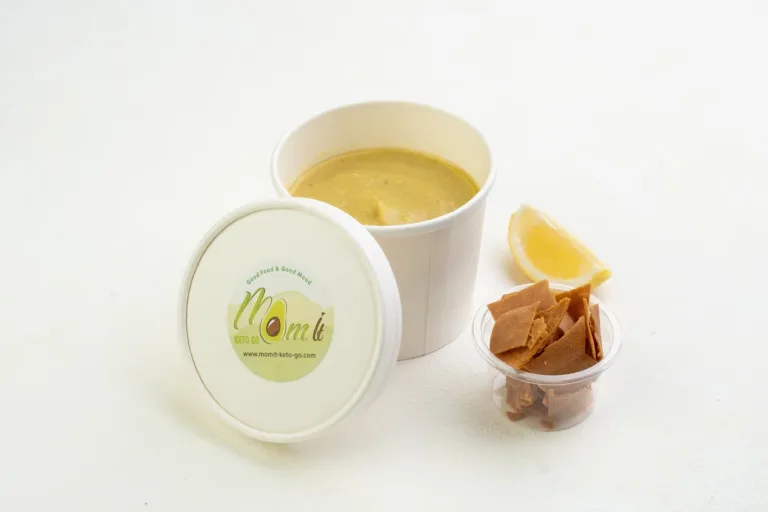
Avoid Clutter: Your backdrop should never compete with the dish. Neutral, subdued tones work well to keep the focus on the food, especially for menu photography or brand shoots.
Consistency: In content series—like recipe blogs, Instagram carousels, or restaurant branding shoots—using consistent backdrops creates visual cohesion and reinforces your brand identity.
3. DIY Backdrop Ideas
Homemade Solutions: A painted board, textured paper, or even parchment paper can make excellent and affordable DIY food photography backdrops.
Repurposing Items: Household items often double as compelling surfaces. An old cutting board, a baking tray, or the back of a tile slab can add a unique, authentic touch to your images.
4. Lighting and Backdrops
Reflective vs. Matte: Shiny surfaces like tiles or metal can create hotspots or reflections, especially under artificial light. Natural light photography pairs well with matte, non-reflective textures like fabric or painted wood.
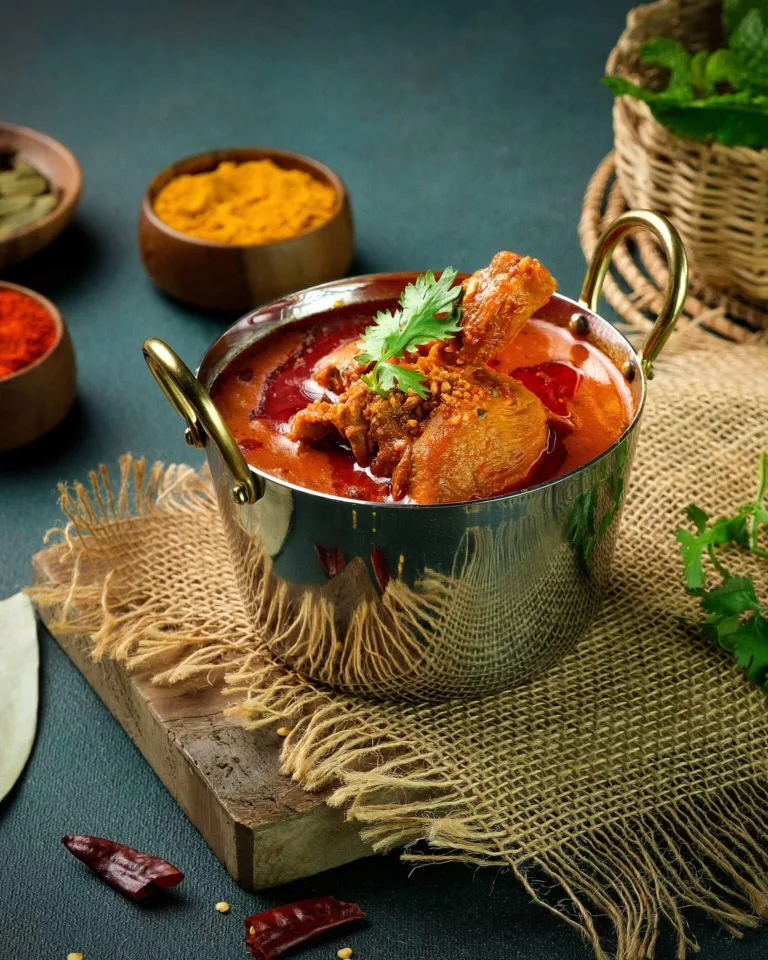
Backdrops and Mood: Use light intentionally—soft daylight with a linen backdrop can feel fresh and airy, while low, directional light against a dark wood board creates depth and drama.
5. Backdrop Storage and Maintenance
Proper Storage: Roll backdrops instead of folding to avoid creases and wear. Invest in a simple storage rack or tube system to keep them organized.
Clean and Maintain: Choose backdrops that are wipeable, water-resistant, and durable—especially for repeated use in professional food photography.
6. Experimentation Is Key
Test Combinations: Don’t be afraid to try unexpected textures or color pairings. Food photographers in Dubai, for instance, often experiment with bold tones to match the vibrancy of regional cuisine.
Get Inspired: Analyze work from other photographers and stylists. Notice how their backdrops support the story without distracting from the subject.
Conclusion
In food styling and photography, the backdrop is just as vital as lighting or composition. It creates atmosphere, shapes perception, and enhances the dish’s visual appeal. Choosing the right surface can bring out the richness of a stew, the crispness of a pastry, or the freshness of a salad. Set the scene thoughtfully—and let your food shine through the lens.
Similar Blogs
Commercial September 1, 2026
Case Study: Food Photography for Asia Kitchen by Mainland China
Commercial September 1, 2026
Case Study: Food & Beverage Photography for FiLLi Cafe